Learn about facelift recovery؟ Facelift or wrinkle removal is a useful procedure for combating the signs of aging on the face and neck. People who are bothered by unwanted wrinkles and sagging skin often choose this procedure to get a more natural and youthful appearance.
If you are considering having a facelift, it is important to know more about the protocol after surgery. It may take several months to see the final results, while the recovery journey from a facelift takes a much shorter time.
Table of contents:
How long is recovery time after a facelift?
It is difficult to determine the recovery time accurately, as it depends on several different factors, such as age, health status, and the type of surgical procedure performed. However, being aware of what to expect and following the instructions provided by your surgeon will make a big difference in the results of the facelift.
It is expected that after one month of the surgical procedure, you will be able to enjoy life with your new skin but don't be surprised if it takes a year for swelling, numbness, and tightness to settle down. These details may only be noticeable to you.
Keep in mind that these time frames are very general, as each person has their own unique experience.
Related articles:
Swelling facelift recovery day by day
We will provide you with stages for recovery from a facelift for 30 days, through which you will learn about what to expect during the typical recovery period.
Recovery from facelift week 1
Day 1: It is normal to feel unstable and sleepy after surgery. It is important to receive support from family and friends to drive you home and take care of you on your first night after surgery. Day 1 is the time when you need the most pain relievers to overcome the discomfort.
Day 2: Your surgeon will schedule a follow-up visit, during which the surgical dressings will be changed and the incisions and swelling will be evaluated.
If everything looks normal, the surgeon will re-bandage the area.
Day 3: On this day, you are supposed to feel better and want to move a little. Swelling usually peaks around days three and four, but it is expected to continue for several additional weeks.
Days 4-6: Most patients no longer need prescribed pain medication by this time. You should start to notice a decrease in swelling, and you should also feel more comfortable moving around. If you are feeling well, you can start doing housework.
Recovery from facelift week 2
During days 7-14, you are likely to still experience some swelling and bruising around the affected area, which may cause you to feel some tingling, numbness, and tightness. It is important not to worry because these are common after facelift surgery. At the end of the second week after surgery, many patients feel like they have returned to normal and can return to work and practice some different sports, such as walking.
Recovery from facelift in weeks 3 and 4
During days 15-30, the stitches may be removed anywhere from the end of the first week to the third week, depending on your specific surgical procedure. Don't worry if you have some swelling at this stage, this is normal, but in most cases, patients can see real improvements in the face area during this period. By this time, you will be able to return to enjoying your usual activities without others noticing much of the external marks, although the incision site may be red and pink but fade over time.
What not to do after a facelift?
Following these tips will help you to recover:
-
Avoid direct exposure of the incision to sunlight for three weeks. You will need to use sunscreen with an SPF of 30 or higher afterward.
-
Avoid using makeup.
-
Avoid removing the scabs that form on the wound.
-
Avoid dyeing, bleaching, or even curling your hair for at least six weeks.
-
Avoid excessive pressure on the incisions and surrounding areas.
-
Follow your doctor's instructions regarding when to start using shampoo and soap and stick to the recommended types.
-
Avoid wearing clothes that are pulled over the head, and wear clothes that are close from the front.
-
Avoid strenuous activities and vigorous or aerobic sports.
How to speed up facelift recovery?
When you choose to have cosmetic surgery, you are taking an important step to improve the beauty and health of your skin. To speed up the recovery period from a facelift and get the best results, it is essential to take care of your skin, especially in the first few days and weeks after the cosmetic surgery.
Cosmetic procedures vary in the degree to which they affect the skin, and cosmetic surgery such as facelifts leaves you with open wounds.
There are four basic steps to speed up recovery:
-
No matter how much you want to remove the scabs that form after surgery, in an attempt to speed up the healing process, please do not do so as it may increase your risk of infection.
-
You must always be aware of the danger of sunlight, especially in the few days after surgery.
-
Regardless of the type of cosmetic surgery, drinking six to eight glasses of water daily will help to rejuvenate your skin from the inside out and expel any toxins from your body.
-
Treat your skin gently, such as using hypoallergenic products such as soap-free cleansers and fragrance-free moisturizers.
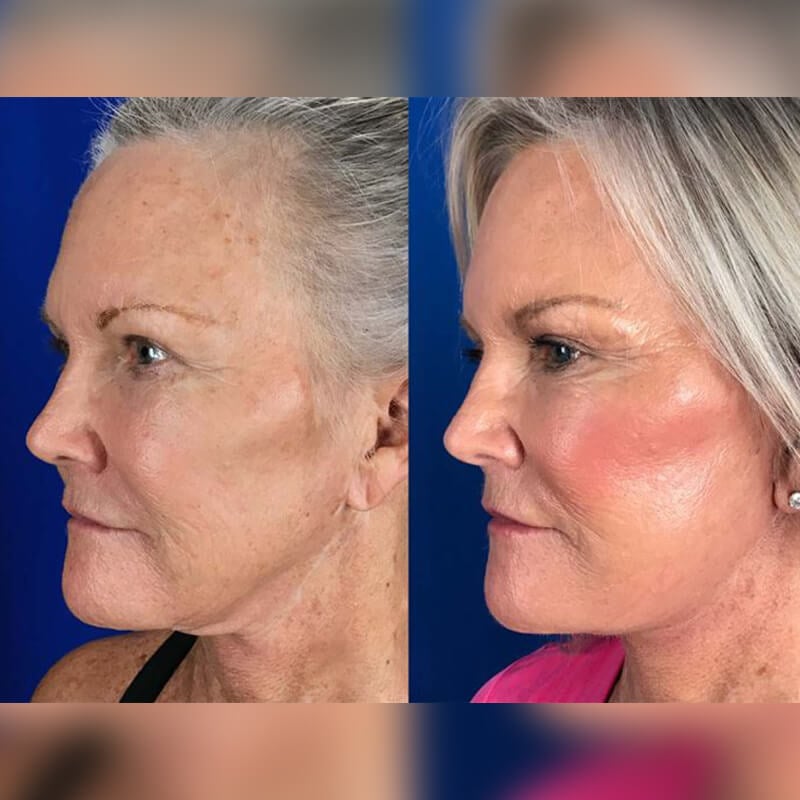
Facelift recovery before and after
A facelift will give your face and neck a more youthful appearance, taking into account that the results of a facelift are not permanent.
As you age, your face may begin to sag and wrinkles may reappear. However, in general, the results of a facelift can last for about ten years
Sources:
- Your facelift recovery explained from Day 1 to Day 30
-
https://www.plasticsurgery.org/news/blog/your-facelift-recovery-explained-from-day-1-to-day-30
-
Face-lift
-
https://www.mayoclinic.org/en/tests-procedures/face-lift/about/pac-20394059
-
After Cosmetic Surgery: Taking Care of Your Skin
-
https://www.webmd.com/beauty/features/after-cosmetic-surgery-taking-care-of-your-skin_