Rhinoplasty in Turkey 2025: Procedure, Healing Process, Benefits and Costs
What do you know about rhinoplasty in Turkey? Are you unhappy with your nose appearance? Do you have an unbalanced nose contour or prominent nose which does not match your facial features? Or do you suffer from difficulty breathing or snoring problems that result from deformity or injury?
Rhinoplasty or nose job can straighten your nose, correct the tip of your nose, and improve your nasal functions.
Table of contents
- What is rhinoplasty surgery?
- Types of rhinoplasty surgery
- Surgical rhinoplasty
- Open Rhinoplasty
- Closed Rhinoplasty
- Rhinoplasty without surgery
- Filler rhinoplasty
- Laser-assisted rhinoplasty
- Who is a good candidate for rhinoplasty surgery?
- Why rhinoplasty is done?
- How do I prepare for a nose job?
- Rhinoplasty recovery
- Rhinoplasty aftercare
- Rhinoplasty side effects
- How long does a rhinoplasty last?
- Is rhinoplasty safe?
- What are the risks of rhinoplasty?
- Is rhinoplasty a painful surgery?
- Is rhinoplasty worth it?
- Does a nose job change your face?
- Rhinoplasty vs Septoplasty
- How much does rhinoplasty cost in Turkey?
What is rhinoplasty surgery?
Rhinoplasty is a surgical procedure used to improve the size, length, and properties of the nose or to repair nasal deformities that impair nose function. It is carried out under general anesthesia in two popular ways; open nose and closed nose surgery.
Types of rhinoplasty surgery
Rhinoplasty can be performed surgically and non-surgically, have a look at the most common methods of rhinoplasty:
Surgical Rhinoplasty
Typically, rhinoplasty is a surgical procedure that involves making incisions to correct the nose structure.
A popular procedure is required for complex nasal problems. It is done through a short incision that is made across the columella, which is the central part of the nose. The nasal skin is raised to enable the surgeon to reshape the cartilage of the nasal bones.
A closed rhinoplasty is a good option that requires limited access to the nasal structures. It is performed through small incisions that can be hidden inside the nostrils.
Rhinoplasty without surgery
Rhinoplasty is not limited to the surgical approach, it can be also done effectively through non-surgical ways to treat nose’s minor issues. Learn about Rhinoplasty with filler injection and laser-assist methods.
Filler rhinoplasty is a procedure that involves slowly injecting hyaluronic acid (HA) or calcium hydroxyapatite (CaHa) into specific points over the nose with an intramuscular needle, improving the cartilage and bone of the nose.
Laser-assisted rhinoplasty uses a small laser hand probe to precisely reshape the nose's bone and cartilage. It can improve the nose's functions and aesthetics, providing patients with pleasing results while avoiding serious complications.
Related articles
Who is a good candidate for Rhinoplasty surgery?
You are the right candidate for a nose job if:
- Your facial growth is complete.
- You are in good public health.
- You are unhappy with your nose appearance
- You experience breathing problems.
- You suffer from asymmetrical features of the nose.
- You have a deviated nasal septum, which might cause snoring.
- You don’t feel self-esteem due to your nose contour.
- You should have realistic expectations.
Why rhinoplasty is done?
Rhinoplasty surgery can offer several benefits for you, including:
- Change the size of your nose
- Adjust the shape of your nose
- Improve the proportions of your nose
- Treat deformities due to an accident
- Correct birth defects
- Treat breathing problems
How do I prepare for a nose job?
Once you decide to go ahead with rhinoplasty, you should prepare yourself properly to ensure better results.
- Avoid taking medicines, such as aspirin, ibuprofen combinations, anti-inflammatory, or
- Vitamin E, for 2 weeks before the operation.
- Stop smoking for two weeks before the operation to ensure fast healing.
- Nicotine canconstrict blood vessels, reducing the amount of oxygen and blood needed for the healing process.
- Stop drinking alcohol or coffee for a week before the operation to avoid any risk of complications.
- You should not eat or drink the night before the surgery.
How Rhinoplasty is done?
The surgery might take around 1.5 to 3 hours, involving the following stages:
1. The patient, who will perform rhinoplasty, should receive general anesthesia, making him fall into a deep sleep.
2. If the open surgery will be performed, the incision is made across the columella, allowing to lift of the skin over the nose. Then, the doctor will reshape the cartilage or the bones surgically using special tools.
3. However, for closed rhinoplasty, small incisions are made within the nostrils. In this procedure, no need to elevate the nasal skin, the surgeon will reshape and adjust the nasal bones and cartilage through these small incisions.
4. Finally, the incisions are closed with dissolvable sutures.
Rhinoplasty recovery
The full recovery from rhinoplasty surgery typically takes a few weeks, however some complications, such as rhinoplasty swelling, and numbness may last for months. To see your final results, you may have to wait a whole year after your surgery.
Rhinoplasty aftercare
- After your surgery, you should follow some necessary instructions which help reduce the risk of any possible complications and maintain the best results.
- Keep the splint on your nose for 7 days after the operation.
- Elevate your head with pillows for the first few days after the surgery.
- Avoid hot baths while you still wear the splint.
- Avoid blowing your nose during the period of wearing the splint.
- Try to sneeze through your mouth to avoid any pressure on your nose.
- Avoid strenuous exercise or sports for 6 weeks after the surgery.
- Avoid dusty or smoky places.
- Be careful when you pull your clothing over your head.
- Keep avoiding aspirin and any blood-thinner product which might lead to bleeding after the operation.
- Avoid smoking for a while after the surgery.
Rhinoplasty side effects
Rhinoplasty surgery carries some side effects, including:
- Bleeding
- Pain
- Infection
- Anesthesia adverse effects.
- Temporary breathing problem
- Scarring
- Numbness around your nose
How long does a Rhinoplasty result last?
Rhinoplasty is done to provide you with permanent results. However, if you want to make sure that the new shape of your nose will last for your entire life, you must choose the right place to perform your rhinoplasty.
Is Rhinoplasty safe?
Generally, rhinoplasty is completely safe. However, just like other cosmetic procedures, rhinoplasty has some complications and side effects, including numbness, swelling, pain, and bleeding. All these complications are temporary and managed by the medications prescribed by your doctor.
What are the risks of Rhinoplasty?
When rhinoplasty goes wrong, potential rhinoplasty risks might appear:
- Facing difficulty with breathing through your nose
- Having permanent numbness around your nose
- Visible scars
- Getting an unsatisfying nose appearance
- Damage to the cartilage
- Long-lasting complications, including rhinoplasty swelling and pain.
Is Rhinoplasty a painful surgery?
Rhinoplasty is generally not a painful operation. Since you are under general anesthesia, you will not feel any pain during the procedure. One day after rhinoplasty, you are more likely to experience minor discomfort. The level of pain can be estimated from 0-4 out of 10. However, you will be provided with pain relievers to help you deal with any discomfort.
Is Rhinoplasty worth it?
When you get a well-balanced nose that you have always wanted or you get rid of the breathing issues you used to have, you will realize that rhinoplasty is really worth it.
Does a nose job change your face?
The nose is one of the most prominent parts of your face. So when you have a successful rhinoplasty done by a certified and experienced plastic surgeon, the proportions and symmetry of your face will be enhanced dramatically.
Rhinoplasty vs Septoplasty
Rhinoplasty is a plastic operation that improves the nose’s shape and enhances the function of the nose - improving the breathing through the nose. While septoplasty is not cosmetic surgery, but a procedure that is performed to improve breathing by correcting and straightening the nasal septum.
How much does rhinoplasty cost in Turkey?
Rhinoplasty costs might vary depending on the nose situation. Generally, the average rhinoplasty price in Turkey is around $2300. However, if the nose requires
a more complicated procedure, then open rhinoplasty is needed. The average cost of open rhinoplasty in Turkey is around $3000.
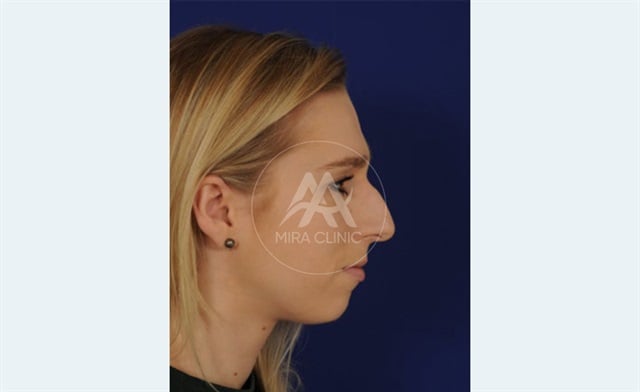
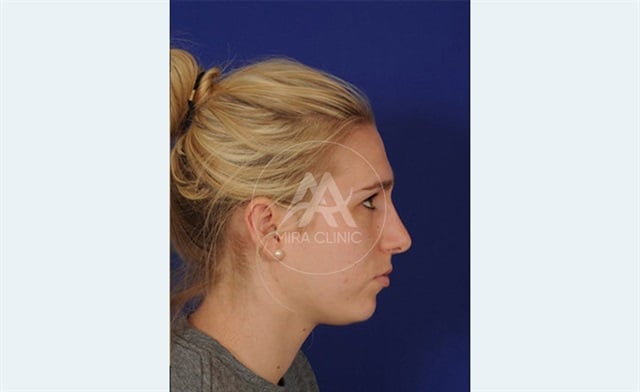
Before & After Rhinoplasty in Turkey 2025: Procedure, Healing Process, Benefits and Costs